We build robotics software. We’ve been doing it for over 14 years, almost entirely inside the ROS ecosystem, for teams at companies like Clearpath Robotics, Willow Garage, Swift Navigation, Dusty Robotics, Plus One Robotics, Kodama, and many others, including confidential engagements that we can’t disclose. Our engineers have migrated fleets from ROS to ROS 2, built simulation pipelines from scratch using Gazebo and Isaac Sim, hardened CI/CD infrastructure for production robot deployments, and shipped autonomy software in C++, ROS 2, PyTorch, and beyond, that runs in the real world, not just in demos. We also work with NVIDIA Isaac Lab, Cosmos, and the broader Physical AI toolchain, as well as XR and VR solutions, bringing that same engineering rigor to every new domain we enter. Along the way, we’ve also expanded into AI-native tools and intelligent systems.
That’s the résumé. Here’s what actually makes us different.
We hire people who genuinely care about this stuff
You can’t fake it in robotics. The problems are hard, the stacks are real, and clients can tell within the first technical conversation whether they’re talking to someone who lives and breathes this or someone who learned the vocabulary last quarter.
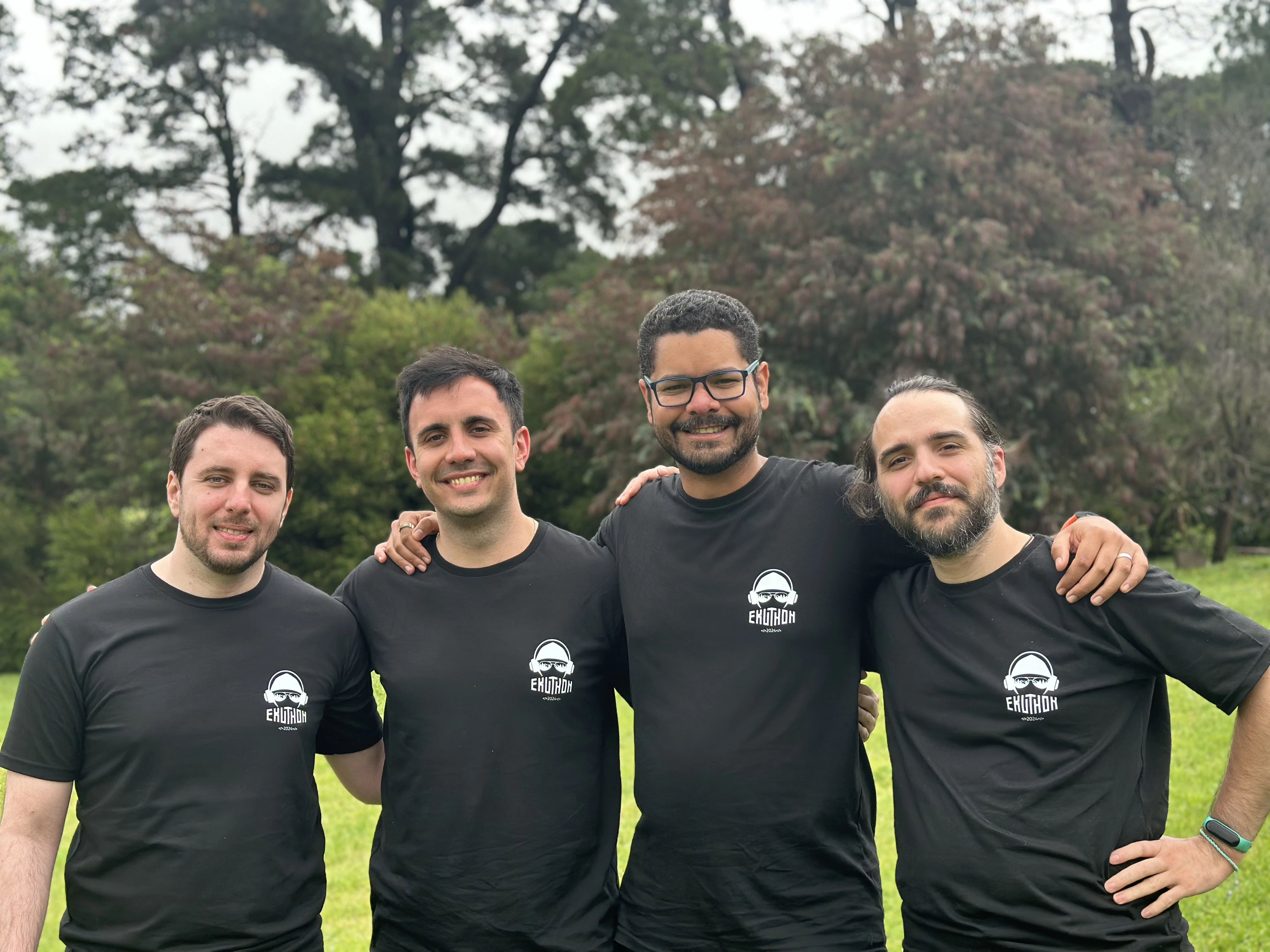
Ekumen engineers are people who would be reading about DDS, Isaac Sim, or the latest ROS 2 real-time constraints on their own time anyway. That’s not a company policy. It’s just who they are, and it’s who we look for.
That curiosity shows up in public. Ekumen engineers write about the problems they actually work on, the tradeoffs they’ve had to make, and the things they’ve gotten wrong. The Research Hub is a good place to see what that looks like in practice:
- Open-source projects like Beluga, a modern Monte Carlo localization toolkit for ROS 2 that came out of real production challenges.
- Whitepapers on topics like how to choose your robotics simulator or why the ROS 2 migration can’t wait.
- Talks at ROSCon and Gazebo Community Meetings going back years.
This is what it looks like when engineers are genuinely interested in the field, not just employed in it.
The tech training team and R&D group stay at the forefront of what matters, whether that’s Isaac Lab, Cosmos, Physical AI, or how machine learning is reshaping what autonomy stacks look like in production. When something is worth understanding, there’s a team at Ekumen already digging into it, on company time, with an environment that makes that kind of curiosity feel normal rather than extra.
An engineer is genuinely invested in a project, they’re not just executing a task, they’re solving a problem they actually care about. That professionalism and proactive engagement is what our clients notice, and it shows up consistently in how they describe working with us.
How we actually live our culture
Our values aren’t something we write on a wall. They shape how we work every day through collaboration, continuous learning, open dialogue, and a real commitment to helping each other succeed.
Eku-Do, our framework for professional growth, is built around continuous learning, open dialogue, and a structured training ecosystem, reflecting our belief that growth doesn’t happen in isolation, but through feedback, mentoring, and shared knowledge.
Every year, the whole company takes part in Ekuthon, a two-day hackathon where anyone can explore new technologies, build whatever they find interesting, and collaborate across teams. Many of these ideas turn into internal tools or end up influencing real projects. Alongside this, interest groups and informal initiatives emerge naturally, driven by people who want to share what they know and learn from others.
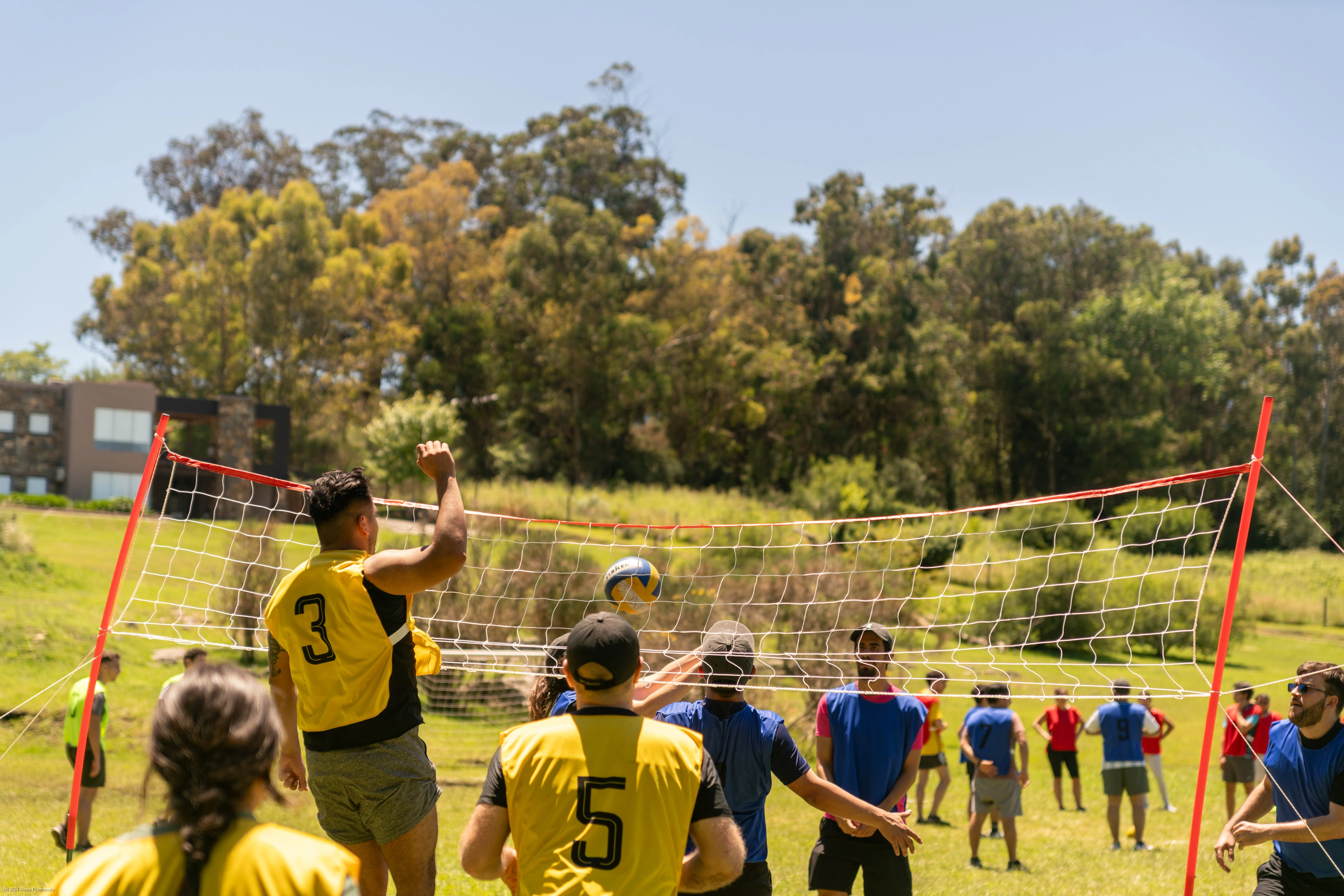
We work on hard problems, and we won’t pretend the pace is always comfortable. What we do try to get right is making sure people aren’t carrying that weight alone, through a culture of open feedback, clear expectations, and a management team that actually listens.
All of this is possible because we invest in building the best environment for our Ekumembers to thrive. That extends into how we structure internal support and growth:
- Bi-annual performance reviews with a real focus on growth and adjustment.
- A recognition system based on performance.
- An Ekumen Performance Bonus tied to individual contribution and its impact.
- Fully covered English lessons.
- A full week off between Christmas and New Year (Eku-Week).
- Opportunities to attend conferences or visit clients when projects allow for it.
We measure how our team feels through our annual Engagement Survey as the most significant signal. This is how we put our values into action, not as a statement, but as part of how we actually operate. You can read more on our careers page.
Our clients stay. And they say so
An NPS of 85.7 is not something you get by being adequate. You get it by consistently delivering with people who are good at what they do and easy to work with. The companies that work with Ekumen once tend to work with us again, expand the scope, and refer us to others. That referral pattern, peer-to-peer, engineer-to-engineer, community-to-community, is how Ekumen has grown from day one.
As an OSRF Alliance Member and part of the NVIDIA ecosystem, with 14 years of production robotics and XR/VR work behind us, those credentials matter. But none of that means more than hearing it from the people who’ve been there:
“The value of partners whom you can 100% rely on and trust in cannot be overstated. We have this in Ekumen and are pleased to have worked with their team all these years.” — Vanessa Yamzon Orsi, CEO, Open Robotics.
What we actually look like from the inside
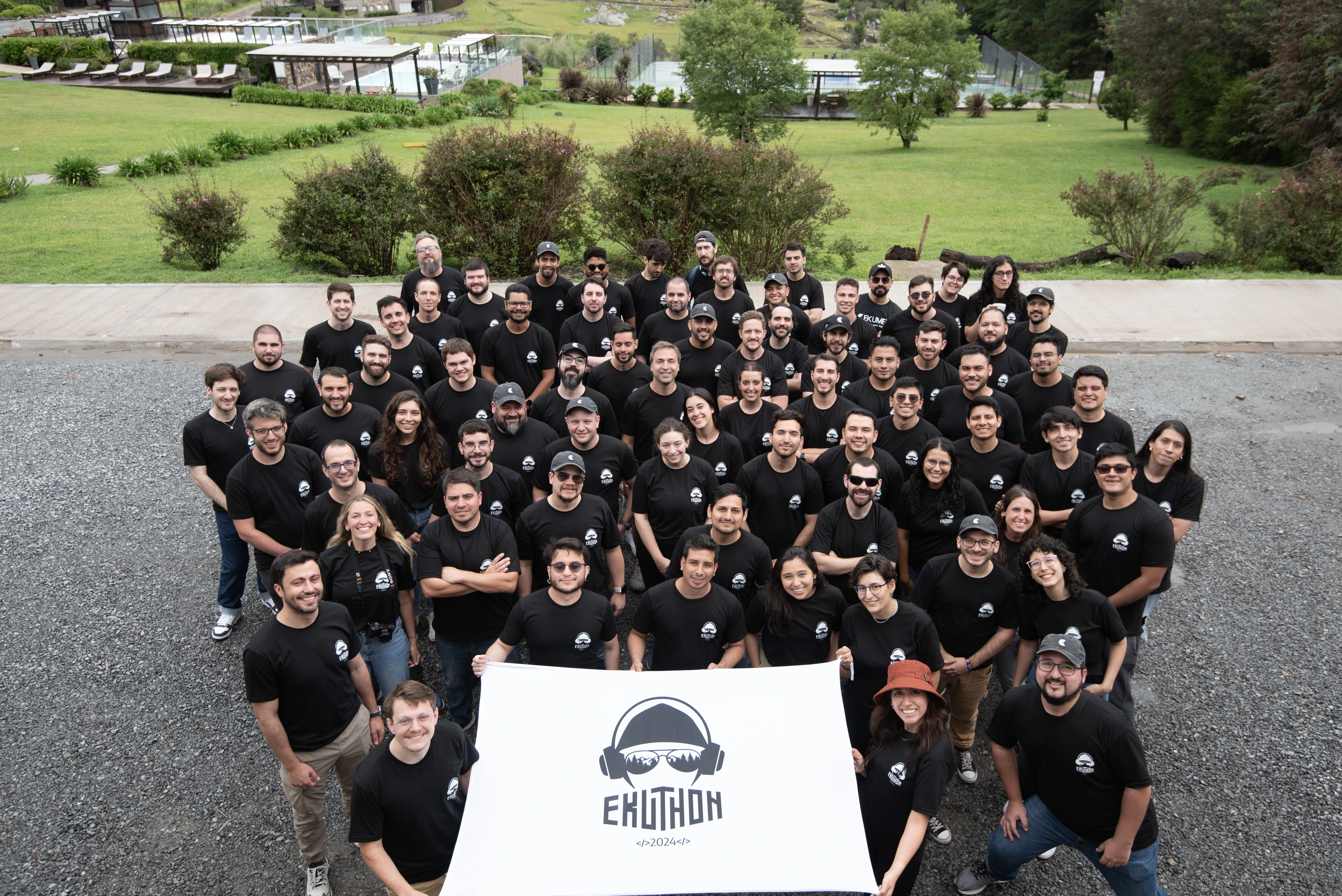
Ekumen is a distributed team. Our engineers are in Latin America and Europe; clients are in the US, Europe, and the Middle East. As of this year, Ekumen is part of Grid Dynamics (Nasdaq: GDYN), the robotics focus and the team stay the same, with more scale behind them. The time zone overlap with US teams is real and workable, it’s something clients consistently flag as a practical advantage, not a concession.
The team is small enough that people know each other, and large enough that there’s genuine depth. Ekumen engineers are deep in the robotics stack and broad enough to move across it. If you need someone with serious experience in navigation, simulation tooling, ROS 2 architecture, machine learning for physical systems, or XR and VR solutions, you’re not getting someone who’ll figure it out. You’re getting someone who’s done it before, on a real system, with real stakes.
And when a problem is genuinely hard, no one is working it alone. Ekumen has built a real internal knowledge network over 14 years, so whatever the challenge, there’s always someone in the team who has seen something like it before, or knows who has. That collective depth is part of what clients are actually getting when they work with us.
So, the secret sauce?
It’s not a proprietary methodology. It’s not a management framework. It’s a team of engineers who genuinely like what they do, who keep learning because they want to, who have a voice in their work, and who show up for clients the way you’d want a senior colleague to show up. Technically solid, honest about tradeoffs, invested in the outcome.
That’s harder to build than it sounds. But once you have it, it’s also remarkably hard to fake.
If you’re a robotics team that needs to scale without losing technical quality, let’s talk. If you’re an engineer looking for the kind of environment described above, we’d love to meet you.